
Bake with Stone Milled Flour
By Hayden Flour Mills • May 23, 2026 • 4 min read
You've baked your share of loaves and you're on a quest for bread that tastes better and feels better in your body. You've started to suspect the flour in your pantry isn't living up to your baking.
It's no accident you're reading this now. You're ready for something real: flour grown in the ground a few miles from where it's milled, with the flavor and story still in it. The kind that gives you bread you remember. Watch our harvest video.
Stone milled flour doesn't behave like the flour you're used to. That can feel intimidating, but it doesn't have to be. We've been milling heritage grains for over a decade and we've baked alongside some of the best, like Don Guerra at Barrio Bread, Sarah Owens of Heirloom, Maurizio Leo of The Perfect Loaf, and home bakers like you. Here's what we've learned about hydration, fermentation, and mixing, and the small shifts in technique that make all the difference.

The Thirsty Factor
Spend a summer in Arizona and you learn one thing fast: everything out here is thirsty. Our flour is no exception. At Hayden Flour Mills, our flour is thirstier than most and there are two reasons for it.

- The bran. Our stone milled flours contain the whole wheat berry, including the fibrous bran. That makes it significantly more absorbent than sifted white flour.
- Growing climate. Our wheat is grown in the dry Arizona climate, which is ideal for heritage varieties. It also makes the flour even thirstier than the average stone milled flour.
Learn what gives our flour its flavor.
So when you convert a standard sourdough bread recipe to use our stone milled flour, you'll probably need to add a little more water than the recipe calls for. Not a lot. Just enough to keep the dough feeling supple and alive rather than dry and stiff.
Einkorn is the exception. While stone milled flours generally need more water, Einkorn pushes back. Its unique protein makeup gives it a highly fragile gluten that breaks down easily, and over-hydrating it leaves you with a soupy, unmanageable mess. Use a careful, restrained hand.
Discover our full lineup of ancient and heritage grains.

The Best Hydration Methods
Stone milled flour rewards patience. The bran in stone milled flour is thirsty, but it drinks slowly, and the gluten is delicate enough that flooding it all at once can do real damage. These three techniques give your dough the water it needs in the way it likes to receive it: bit by bit, with your hands paying attention.
Autolyse is the process of mixing just your flour and water together and letting them rest before adding your starter, salt, and remaining water. It's a great step for stone milled flour, giving the thirsty, fibrous bran the time it needs to fully hydrate and soften. But there's a catch: heritage grains have exceptionally high enzymatic activity, and a long autolyse can trigger premature starch degradation, leaving your dough slack and weak. So keep your autolyse moderate (around 30 to 60 minutes), and pay attention to how the dough feels.

Bassinage is a French baking term that literally means "to bathe." After the autolyse, when you add your sourdough starter, salt, and reserved water, start with just half of the reserved water. Use your hands to squeeze the mixture together. The dough may temporarily look like it's falling apart. It's ok: that's normal. Keep massaging and folding until it absorbs what you've added, then pour in the next splash. Adding the reserved water slowly lets the dough drink it in without losing its pliability, and it keeps you from accidentally turning your dough into an unmanageable puddle right out of the gate.

Wet Hands. To gently push hydration even further, keep your your hands wet during the initial mix and at each stretch-and-fold session. This keeps the dough from sticking to your hands and works a tiny bit of extra water into the dough as you go. Over time, this builds structure progressively without tearing the fragile bran and delicate gluten matrix.

Fermentation Timing
The abundance of micronutrients, naturally occurring enzymes, and wild yeasts in stone milled flour means your dough will spring to life quickly during bulk fermentation. To the living culture in your sourdough starter, this is a feast of nutrients, and that pure nourishment accelerates fermentation significantly.
When you're baking with high percentages of stone milled flours, make these adjustments:
- Lower the temp. If you want to maintain your usual timeline, drop your ambient fermentation temperature slightly.
- Watch the dough, not the clock. Stone milled dough will feel warmer and look aerated much sooner than a white flour dough. Rather than waiting for it to double in size, end bulk fermentation when the dome peaks and just begins to fall. Let it go too long and the acid build-up will destroy the fragile gluten network.

Mix Gently
How gently you need to mix depends on how much stone milled flour is in your dough. The higher the percentage (50% or more), the more fragile the gluten, and the easier it is for a stand mixer on high speed to over-shear the dough into a soupy mess that won't recover.
When to use a machine: an automatic mixer works well on blends like our Better Bread Flour or Maurizio Leo's The Perfect Loaf Flour. It contains a higher percentage of white bread flour, which makes it more forgiving, less prone to overmixing, and a great starting point for bakers new to stone milled flours.
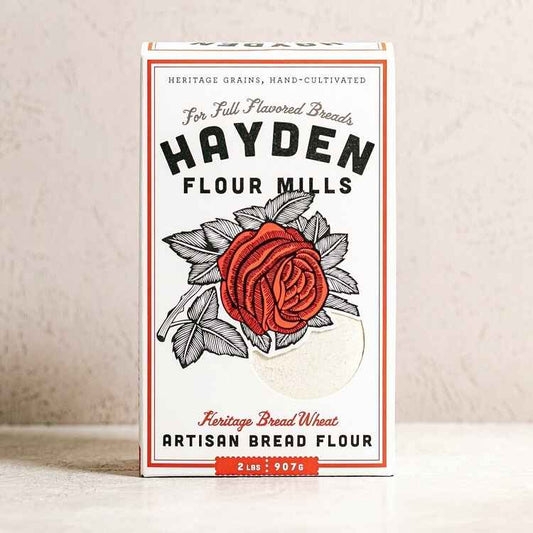
When to use your hands: for products that contain 50% or higher percentage of stone milled flour, like our Artisan Bread Flour, and especially 100% stone milled flours like Spelt, Einkorn, or Sangaste Rye, we strongly encourage you to mix entirely by hand.

Slower, Better Bread
Working with stone milled flour means paying closer attention to the physical cues of your baking. It's slower, more hands-on work, and the flavor that comes out of the oven makes every minute of it worth your time.
Want a place to start? Each of our bread recipes was developed by an expert baker for a specific stone milled flour or blend. Browse the collection and find the one that calls to you.

More to explore: Shop our bread flours • Read why our stone milled flour tastes so good