
Feed Your Starter Right
By Hayden Flour Mills · August 8, 2026 · 5 min read
You feed your starter the same way every morning. Same jar, same ratio, same little ritual before coffee. So when you swap in a bag of stone milled whole grain flour, it makes sense to wonder what's actually going to change. Will it rise faster? Smell different? Look nothing like the starter you know? Let's break down what stone milled flour really brings to the jar, and how to read your starter once it's in the mix.

Whole Grain From the Start
At Hayden Flour Mills, our stones crush the entire wheat berry, bran, germ, and all, into flour in a single pass, instead of stripping parts away the way industrial milling does.
Read our article on whole grain vs. industrial white flour here.

That difference is what your starter is responding to. Whole grain flour brings more of the wheat's natural enzymes, nutrients, and microorganisms into the jar, giving a starter fed on stone milled flour its own distinct personality.
The Enzymes Doing the Work
A starter runs on natural enzymes that break flour's starches down into food your starter's microorganisms can use. Stone milling into whole grain flour helps retain more of the enzyme-rich parts of the grain, and freshly milled flour carries more accessible starch and aroma than flour that's been sitting for months.
That extra activity can show up as texture, not just speed. A starter that turns loose, sticky, or gummy after a feeding isn't necessarily unhealthy, it may just be working through a livelier flour. Bubbles and dramatic rise aren't the only signs of a happy starter. Consistency, aroma, and how it performs in your dough tell you more than jar height ever will.

How Flour Shapes Flavor
One feeding usually gives you a hint. Feed your starter the same stone milled flour a few times in a row, and that flavor settles in and becomes part of its personality. Whole grain flour can also add buffering capacity, meaning your starter may build more acidity before the flavor turns sharply sour, so a tangier taste isn't always about temperature or timing.

Switching Your Starter Without the Guesswork
There's no single right way to make the change. Pick the path that fits your baking rhythm:
All at once. At your next feeding, swap in the new flour and keep your usual ratio. Watch texture and aroma over the following days and adjust water as needed. Works well for mature starters and similar flour swaps, like moving from a bread flour to our Artisan Bread Flour.
Step by step. Shift gradually across four feedings, moving from 25 percent new flour up to a full conversion. This gives you time to observe each change, which is especially helpful when moving toward Rye or an ancient grain like Khorasan or Einkorn.
Keep both. Maintain your established starter as is and build a small offshoot with the new flour. Great for testing an unfamiliar grain or comparing flavor side by side without touching what already works.
Whichever path you choose, pay attention to aroma and texture right after feeding and a few hours later, and how the starter performs once it hits the dough.

Does This Change How You Store It?
Not fundamentally. How often you bake still decides whether your starter lives on the counter or in the fridge. But the flour can shape the details. Whole grain and rye starters may acidify a little differently under refrigeration, and a starter built on Better Bread Flour tends to stay easy to read after a cold stretch since it leans on a higher percentage of white baker's flour. If you've just converted to a new grain, a few room-temperature feedings before refrigerating will help you get familiar with how it behaves.

Reading a Starter That Isn't All White Flour
If you're used to a classic white flour starter, a whole grain or heritage grain version might not look the way you expect. Bran can interfere with gas retention, so a rye starter often looks thick and paste-like rather than stretchy, and heritage grain starters may spread more than they dome. That doesn't mean something's wrong. Read the starter you have, not the one you remember from a photo.
Get our recipe for 100% rye starter.

Finding Your Flour
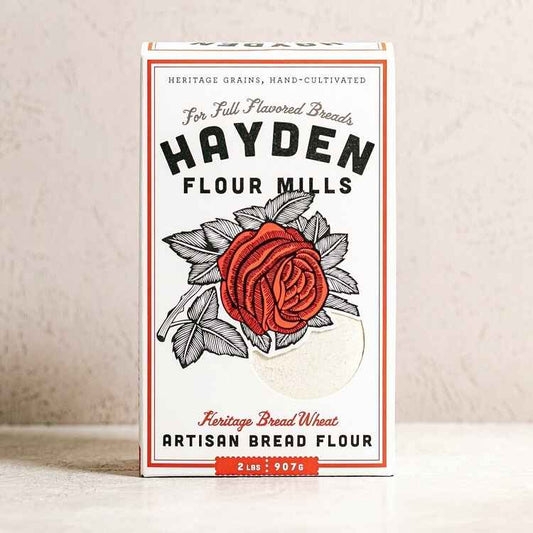
If you want familiar structure with a little more character, our Artisan Bread Flour blend is a natural next step. Craving something bolder and more distinctive, Rye and Einkorn each bring their own personality to the jar. However you get there, the goal is the same one you started with: a starter you understand, feeding bread you're proud of.
Ready to see what a new flour brings to your jar? Shop our stone milled flours and find the one that fits your baking rhythm.